
What Are the First Signs of Storm Damage to a Roof?
After severe weather, the most immediate indicators of roof damage are often visible from the ground. Signs such as missing shingles, scattered debris, or obvious holes do not require climbing a ladder to notice. In Nassau, NY, strong winds, heavy rain, and even the occasional nor’easter can leave damage that residents may spot while simply walking around their property.
Other early warnings include:
- Piles of shingle granules near downspouts
- Bent, curled, or cracked shingles
- Pieces of flashing or broken tiles in the yard
Listening for new drips or wet spots in attics and ceilings after storms is also wise, as water can sometimes find its way inside before issues show up outdoors.
Is It Safe to Inspect My Roof Myself?
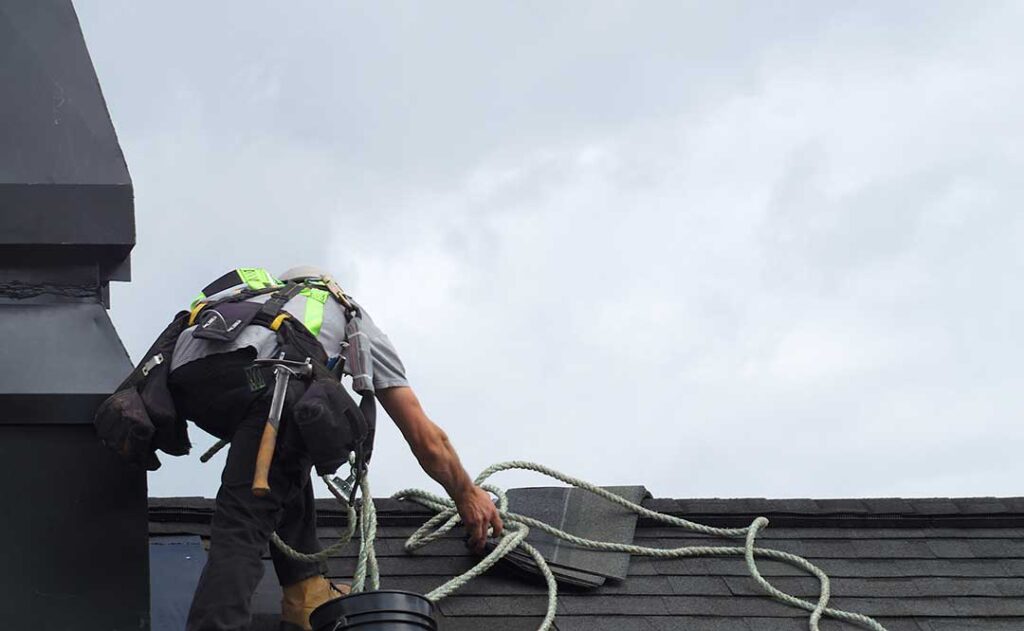
A brief inspection from the ground or using binoculars is typically safe for most homeowners if the area around the home is clear and stable. Climbing onto the roof should be avoided without proper equipment and experience. Nassau’s roofs can be especially slippery after storms due to rain, hail, or lingering leaves. For safety, inspections on the roof itself are generally left to trained professionals, particularly after serious events or when structural damage is suspected.
What Should I Be Looking for After Storms in Nassau, NY?
Aside from missing shingles or visible debris, Nassau residents should check for less obvious damage that often occurs after wind or ice storms:
- Sagging areas, which could mean hidden leaks or weakened decking
- Dented or cracked flashing around chimneys, vents, and skylights
- Clogged gutters and downspouts, which can push water underneath roofing
- Loose gutter brackets or sections pulled away from the roofline
- Splintered wood or paint bubbling on trim, soffits, or fascia boards
Flat or low-slope roofs common in some Nassau neighborhoods should also be checked for pooled water or bubbles in roofing membranes.
How Can I Tell If a Leak Is Storm-Related?
If new water spots or drips appear in ceilings or along walls soon after a storm, a roof issue is likely. A consistent location of water entry after storms—especially if it stays dry during fair weather—is a reliable clue.
To confirm:
- Trace spots in the attic to see if insulation is damp or stained
- Check for musty air or mold growth near the affected area
- Look for wet insulation, darkened wood roof decking, or discolored rafters
Leaks may not always align directly beneath exterior roof damage—water can travel along framing before dripping inside. If in doubt, temporarily mark the spots and observe during the next rainfall to pinpoint activity.
Is All Storm-Related Damage Obvious Right Away?
Not always. Some damage, especially from hail or minor wind lifts, may be subtle or worsen over time. Small shingle cracks, granule loss, or slightly lifted shingles can allow moisture seepage long before leaks or indoor spots appear. In Nassau, seasonal freeze-thaw cycles can make minor faults expand, so rechecking after a few days of changing temperatures is helpful.
What Is Often Missed During DIY Inspections?
Residents may overlook:
- Damage near roof edges or ridges that’s difficult to see from below
- Lifted but not missing shingles that let in water in strong winds
- Flashing that has come loose but looks in place from a distance
- Early blistering or bubbling on flat roofs
Also, gutter and downspout blockages are sometimes missed, increasing risk for ice dams or flooding in certain Nassau neighborhoods.
How Does Local Weather Impact Roof Damage and Inspections?
Nassau experiences a mix of long, wet winters and humid summers, leading to unique roof stress. Snow and ice can gradually dislodge roofing as temperatures shift, while salt air from the nearby Atlantic occasionally accelerates corrosion of metal components. After coastal storms, debris from trees and windborne particles often causes more subtle scratches or pitted areas, which may go unnoticed at first.
Neighborhoods with large, mature trees often see additional buildup of twigs and leaves that clog drainage systems. It’s wise to assess not just for shingle loss but also accumulations that might affect water flow.
Should I Be Concerned About Small Damage?
Small shingle issues or minor granule loss may not cause immediate problems but can shorten roof life if unchecked. Nassau’s weather, especially periods of freeze and thaw, can rapidly turn a small crack into a leak. Promptly addressing gutter blockages, slightly lifted shingles, or minor flashing bends prevents bigger complications later.
Are There Local Regulations or Insurance Considerations to Know?
In Nassau, most homes must adhere to New York State building codes, which can impact requirements for repairs after damage. Some insurance policies may require timely reporting of storm-related issues or even photographic evidence before and after a storm.
Residents should keep records of their own inspections and, if possible, date-stamped phone photos of potential damage. This documentation can be helpful in the event of an insurance claim or if additional weather events occur before repairs are made.
