
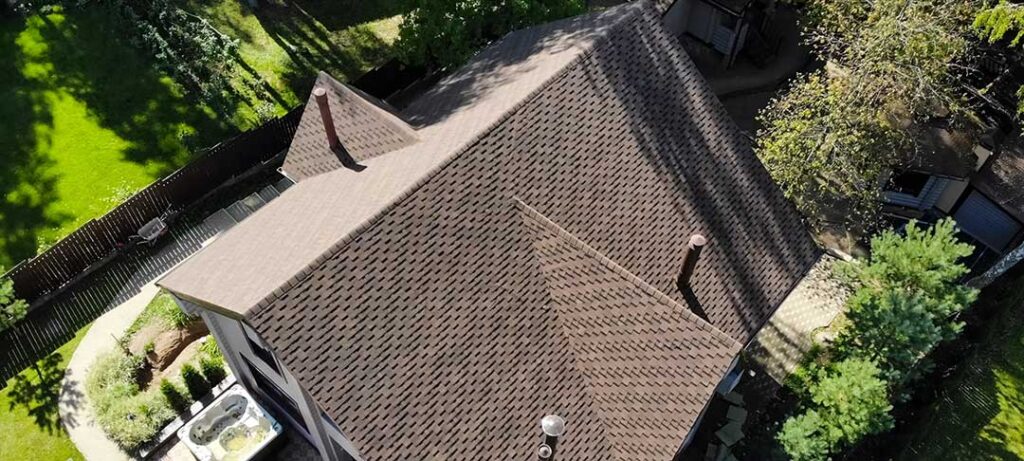
Why does sun exposure matter for a roof?
Sunlight affects roofing through ultraviolet radiation, heat, and repeated temperature changes. Over time, these forces can dry, shrink, crack, fade, or weaken roofing materials, especially on surfaces that receive several hours of direct afternoon sun.
In Nassau, NY, a roof may face strong summer sunlight, humid conditions, heavy rain, wind, and winter freeze-thaw cycles in the same year. Sun damage is rarely the only cause of roof deterioration, but it can make other problems develop faster.
The effect is most noticeable on roof slopes with little shade. South- and west-facing sections often receive the greatest daily exposure, while roof areas beneath mature trees or beside taller structures may weather more slowly.
How does ultraviolet radiation damage roofing materials?
Ultraviolet radiation gradually breaks down the compounds that help roofing materials remain flexible and weather-resistant. The process is slow, so a roof may appear acceptable for years before the visible signs become obvious.
On asphalt shingles, UV exposure can contribute to:
- Loss of surface granules
- Fading or uneven color
- Dry, brittle shingle surfaces
- Cracked or exposed asphalt
- Curling or lifted edges
- Reduced flexibility around penetrations and roof transitions
The mineral granules on asphalt shingles provide more than color. They help shield the underlying asphalt from sunlight, moisture, and weathering. As granules loosen and wash into gutters, the protective surface becomes thinner.
Sun exposure affects other materials differently. Some rubber and plastic components can become stiff or brittle. Painted metal may fade or develop a chalky surface. Wood trim and exposed roof structures can dry out, split, or lose protective coatings.
Can roof heat cause damage even when there is no leak?
Yes. A hot roof surface can expand during the day and contract after sunset. Repeated movement places stress on shingles, flashing, sealants, fasteners, and the joints between different materials.
Dark roofing generally becomes hotter than light-colored roofing, although roof temperature also depends on slope, ventilation, wind, cloud cover, and surrounding shade. A roof can become much warmer than the outdoor air, particularly during clear summer afternoons.
Heat-related stress may contribute to:
- Sealant deterioration around flashing
- Premature aging of underlayment
- Warping or distortion of some roof components
- Shingle brittleness
- Separation at joints or exposed fasteners
- Faster breakdown of poorly ventilated roof assemblies
Heat does not automatically mean a roof is failing. Roofing materials are designed to withstand outdoor temperatures. The concern is cumulative exposure, especially when heat combines with moisture, ice, wind, or installation defects.
Which parts of a roof are most affected by sunlight?
The most sun-sensitive areas are usually the broad, unobstructed roof slopes. However, several smaller components can show damage earlier than the main field of shingles.
Pay particular attention to:
- Ridge caps and hip caps
- Roof edges and exposed rake areas
- Flashing around chimneys, vents, and skylights
- Rubber boots around plumbing penetrations
- Roof sections above finished attic spaces
- Areas where shingles meet walls or dormers
- Older repairs that use different materials
Ridge and hip shingles often receive direct sunlight from multiple angles. Their raised position can also expose them to more wind. Flashing and sealants may deteriorate before the surrounding shingles because they respond differently to temperature changes.
Does shade always protect a roof?
Shade can reduce direct UV exposure and surface temperatures, but permanent shade is not automatically beneficial. Roof areas under dense tree cover may stay damp longer after rain, collect leaves, and receive less drying sunlight. Those conditions can encourage moss or algae growth and keep roofing materials wet.
Branches can also scrape shingles, drop limbs, and deposit organic debris. A roof that is shaded by nearby trees may therefore experience less sun damage but more moisture and debris-related wear.
The most balanced condition is usually good daylight with limited contact from overhanging branches. Tree growth can change the amount of sun reaching a roof over the years, so a previously exposed roof may gradually become shaded.
How can homeowners recognize sun-related roof deterioration?
Sun damage often appears gradually and may be more visible on one roof slope than another. From the ground, look for changes such as:
- Noticeably different color between roof sections
- Bare or thinning patches where granules have worn away
- Shingles that look dry, cracked, curled, or unusually stiff
- Exposed dark asphalt beneath missing granules
- Deteriorated sealant around vents and flashing
- Small pieces of roofing material in gutters or at downspout outlets
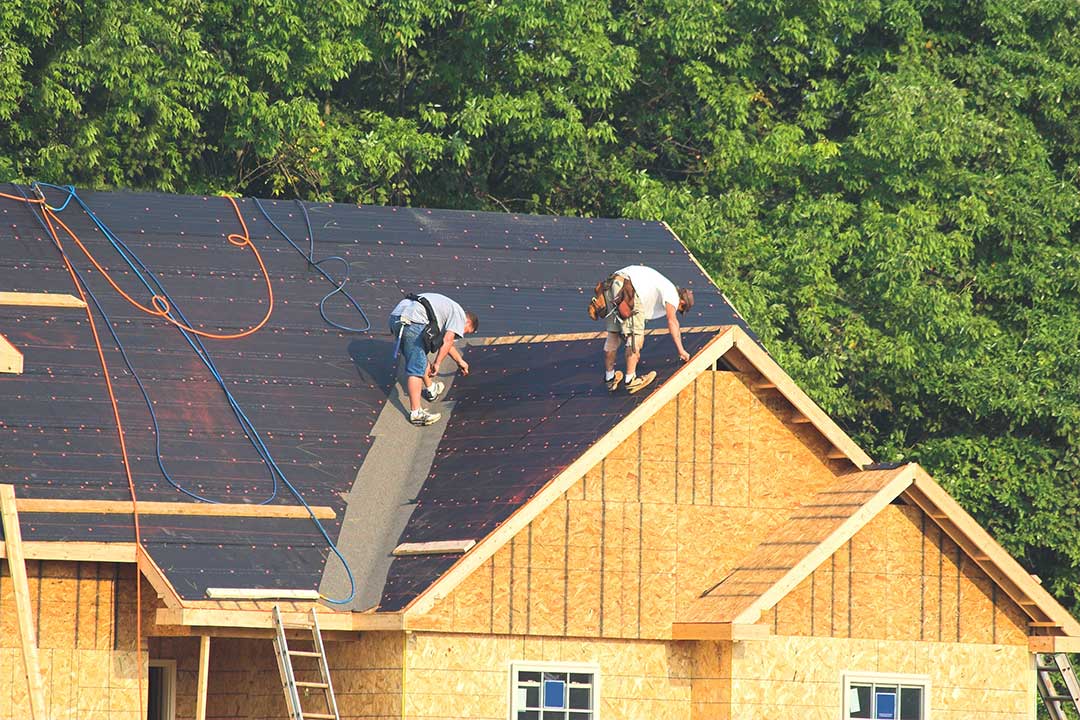
A few loose granules in a gutter can be normal, particularly after installation or severe weather. A persistent buildup of granules, however, may indicate accelerated surface wear.
Do not walk on a roof to inspect it. Shingles become easier to damage when hot, and roof surfaces can be steep or slippery even in dry weather. Binoculars or photographs taken from the ground can provide useful information without creating a fall hazard.
Is uneven roof color always a sign of sun damage?
No. Uneven color can result from normal weathering, manufacturing variation, roof repairs, algae growth, nearby shade, or differences in the angle at which light strikes each slope.
A lighter-looking area may have lost granules, but it may also be a section that receives more reflected light. Dark streaks are often associated with biological growth rather than UV deterioration. Color alone cannot determine the condition of a roof.
The more useful question is whether the color change appears alongside physical damage, such as exposed matting, cracking, curling, missing granules, or failing flashing.
Does roof ventilation reduce sun damage?
Proper attic ventilation can help control heat and moisture beneath the roof deck, but it does not prevent sunlight from aging the exposed roofing surface. Ventilation and roof durability address related but different conditions.
A well-balanced ventilation system may reduce excessive attic heat and help manage moisture from indoor air. Poor ventilation can leave the underside of the roof deck hot and damp, increasing stress on wood, insulation, and roofing materials.
Ventilation openings must remain clear. Blocked soffit vents, insufficient intake air, or poorly arranged exhaust vents can limit airflow. Improvements should be based on the roof and attic design rather than adding vents without considering how air is supposed to move.
What seasonal habits help protect a sun-exposed roof?
Routine observation is more useful than trying to shield the entire roof from sunlight. In Nassau, seasonal roof checks can help identify damage before rain or snow exposes weak areas.
Useful habits include:
- Inspecting gutters after spring and fall cleanup
- Looking for granule loss after major storms
- Checking attic ceilings and roof framing for damp spots
- Trimming branches that scrape or overhang the roof
- Photographing suspicious areas from a safe location
- Watching for differences between shaded and sunny roof slopes
Roof maintenance should not involve coating asphalt shingles with household products or applying unapproved treatments. Coatings can trap moisture, interfere with the roof’s designed surface, or conceal damage without correcting it.
If shingles are badly curled, brittle, extensively bare, or accompanied by interior moisture, evaluation from a safe position is warranted. Roof work can involve steep surfaces, hidden weak spots, and fall hazards, so unsafe access should be left to trained personnel.
How long does sun exposure shorten a roof’s life?
There is no single number because service life depends on material quality, installation, ventilation, roof pitch, shade, storm exposure, maintenance, and moisture conditions. Sunlight usually acts as a gradual contributor rather than an isolated cause.
A roof with strong afternoon exposure may age differently from a roof on the same building that remains shaded. Comparing roof sections can reveal where weathering is progressing fastest, but age and appearance should be considered together.
The practical lesson is simple: sunlight is part of normal roof aging, but its effects become more serious when combined with heat, moisture, wind, poor ventilation, and neglected repairs. Regular visual observation helps distinguish ordinary fading from deterioration that may affect weather protection.
