

What should you consider before choosing a roof color?
The right roof color should work with the home’s exterior, surrounding landscape, sunlight, and long-term maintenance needs. In Nassau, NY, homeowners also need to think about seasonal weather, winter snow, summer heat, and how the roof will look against mature trees or neighboring homes.
A roof is a large visual surface. Its color can influence whether a house appears taller, wider, newer, traditional, or more contemporary. Because roofing materials often remain in place for decades, the best choice is usually based on lasting compatibility rather than a short-lived design trend.
Before looking at color samples, examine:
- The siding, brick, stone, trim, shutters, doors, and foundation
- The roof’s shape, pitch, dormers, valleys, and visible surface area
- The amount of direct sunlight the roof receives
- Nearby trees, landscaping, and surrounding homes
- Any neighborhood rules or property requirements
- The color options available in the selected roofing material
How do you match a roof color to the rest of the house?
Start with the colors that are difficult or expensive to change. These often include brick, natural stone, permanent siding, masonry chimneys, and certain types of trim. The roof should coordinate with those features rather than compete with them.
A useful approach is to identify whether the exterior has warm or cool undertones:
- Warm exteriors often pair well with brown, tan, copper, weathered wood, or muted red tones.
- Cool exteriors may work better with charcoal, slate, gray, blue-gray, or black tones.
- Neutral siding can accommodate a wider range, but the roof should still relate to the trim and masonry.
The roof does not need to match the siding exactly. In many cases, contrast creates a more balanced appearance. Light siding with a medium or dark roof can give the home definition. Dark siding may look more proportional with a lighter roof, although the amount of natural light and surrounding shade also matters.
If the house includes several exterior colors, choose a roof color that appears in at least one permanent feature. For example, a gray roof may connect visually with gray stone, metal accents, or cool-toned trim.
Are dark or light roof colors better for local weather?
Neither dark nor light roofing is automatically better for every home. Roof color can affect heat absorption, but ventilation, insulation, roof design, and attic conditions usually have a greater effect on indoor comfort.
Dark roofs generally absorb more solar heat than light roofs. This may be noticeable during sunny summer weather, especially on homes with limited attic insulation or poor ventilation. Light-colored roofing can reflect more sunlight, but the difference in whole-house energy performance depends on the complete roofing system.
In a climate with cold winters and warm summers, the practical choice is often a balanced medium tone. Medium gray, brown-gray, muted brown, and blended neutral colors can provide visual contrast without creating an overly strong heat-absorbing or high-reflective effect.
Roof color does not determine how well a roof handles snow, ice, wind, or rain. Installation quality, flashing, drainage, ventilation, underlayment, and material selection are more important for weather performance.
Should the roof be lighter or darker than the siding?
A roof that is darker than the siding is a common choice because it creates a clear visual boundary between the walls and roofline. This can make the exterior look grounded and can highlight architectural features such as gables, dormers, and covered entrances.
A lighter roof can make a home appear less visually heavy, particularly when the house has a steep roof or a large amount of roofing visible from the street. It may also work well with pale siding, light brick, or homes surrounded by open landscaping.
For a compact home, a very dark roof may visually dominate the exterior. For a large or tall home, a medium or dark roof can provide proportion and definition. The roof’s size matters as much as its color because a broad, low-pitched roof may be more noticeable than a steep roof with limited street exposure.
How do roof colors look different in sunlight and shade?
Roof samples can be misleading when viewed indoors or under artificial lighting. Natural light changes throughout the day, and nearby trees or buildings may cast shadows across the roof.
Before making a decision, view samples:
- In direct sunlight
- Under overcast conditions
- From the street and from the driveway
- Near the siding, trim, and masonry
- Against the home’s existing landscaping
- At different times of day, if possible
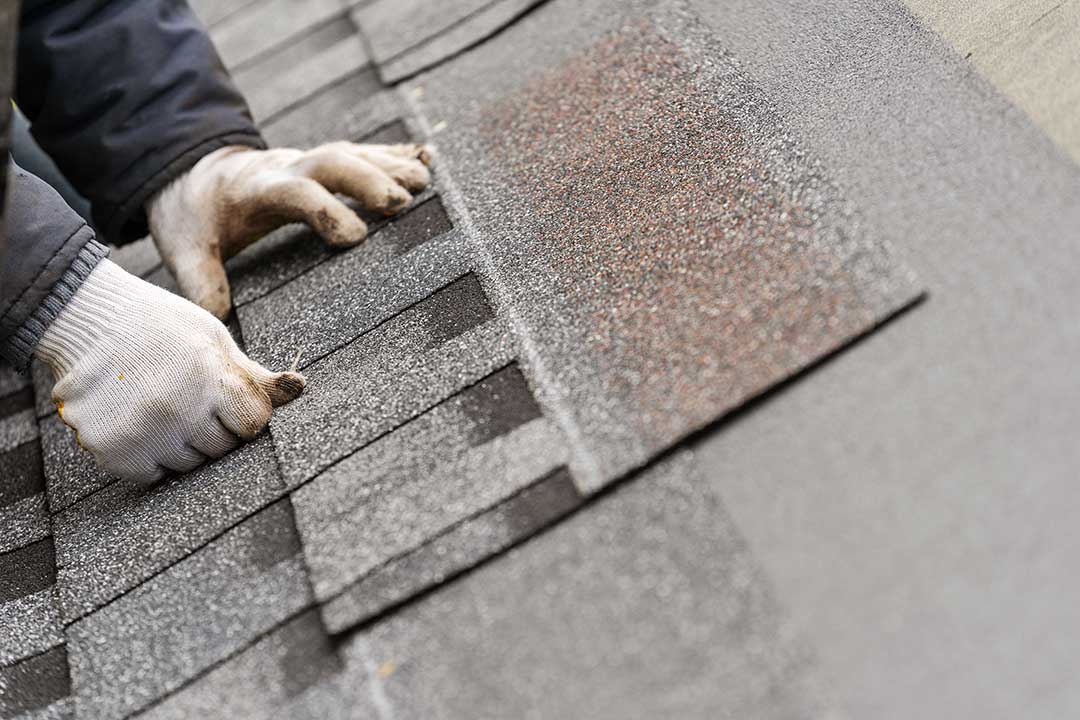
A color that looks medium gray in a store may appear nearly black on a shaded roof. A brown blend may show more red or gold tones in bright sunlight. Multi-toned shingles can also look different depending on viewing distance because individual granules blend visually when seen from the ground.
Large sample boards or photographs of completed roofs are generally more useful than a small single shingle. The roof should be judged as a broad surface, not as an isolated piece of material.
Do architectural style and roof shape affect color choice?
Yes. Roof color should support the home’s architectural character and roof geometry.
Traditional homes often pair well with restrained colors such as weathered gray, slate, brown, or blended charcoal. Contemporary homes may suit solid gray, black, or carefully selected contrasting tones. Homes with complex rooflines may benefit from quieter colors because strong patterns can make multiple hips, valleys, and dormers appear visually busy.
A roof with a simple shape can sometimes accommodate more texture or variation. A roof with many sections may look more orderly with a consistent, low-contrast color.
Architectural style is not a strict rule. The surrounding homes, landscape, and personal preferences also matter. A historically inspired house does not have to use the darkest or most traditional color available, but an extremely modern roof color may look disconnected from older exterior materials.
Can roof color affect resale appeal?
Roof color can influence first impressions, but it rarely compensates for visible wear, poor drainage, damaged flashing, or other maintenance problems. A coordinated, neutral roof is generally easier for future buyers to accept than a highly unusual color that limits exterior design options.
Homeowners who may sell within several years often choose adaptable colors such as:
- Medium gray
- Charcoal
- Weathered brown
- Brown-gray blends
- Muted slate tones
A distinctive color can work well when it complements the home’s architecture, but highly personalized choices may narrow the range of buyers who immediately like the appearance. The roof should look intentional from the street and remain compatible with common exterior paint and trim colors.
What local and practical issues should Nassau homeowners check?
Before selecting a color, review any applicable neighborhood, association, historic-district, or property restrictions. Requirements may address roofing materials, visible exterior changes, or approved color ranges.
It is also useful to consider the local setting. Mature trees can make a roof appear darker and may place more emphasis on moss, algae, leaf debris, or shaded areas. Open lots with strong sunlight may make a roof color appear lighter and more reflective. Homes close together may also need a color that fits naturally with the broader streetscape without copying nearby houses.
Ask whether the selected material and color are available for the entire project. Some color blends may be discontinued, limited to certain product lines, or difficult to match later. Keeping the product information and color name with household records can help if repairs are needed in the future.
What are common mistakes in choosing a roof color?
Several decisions create avoidable problems:
- Choosing from a tiny sample without viewing the color outdoors
- Matching the roof too closely to siding and losing exterior definition
- Ignoring brick, stone, or permanent trim
- Assuming a dark color will improve winter performance
- Selecting a trend that conflicts with the home’s architecture
- Forgetting how mature trees and seasonal shade affect appearance
- Treating color as more important than ventilation, drainage, flashing, or material quality
The most dependable choice is usually a roof color that connects the home’s permanent features, looks balanced in both sun and shade, and remains appealing across changing seasons. A few carefully viewed samples can reveal more than a color chart, especially when the roof is a prominent part of the home’s exterior.
