
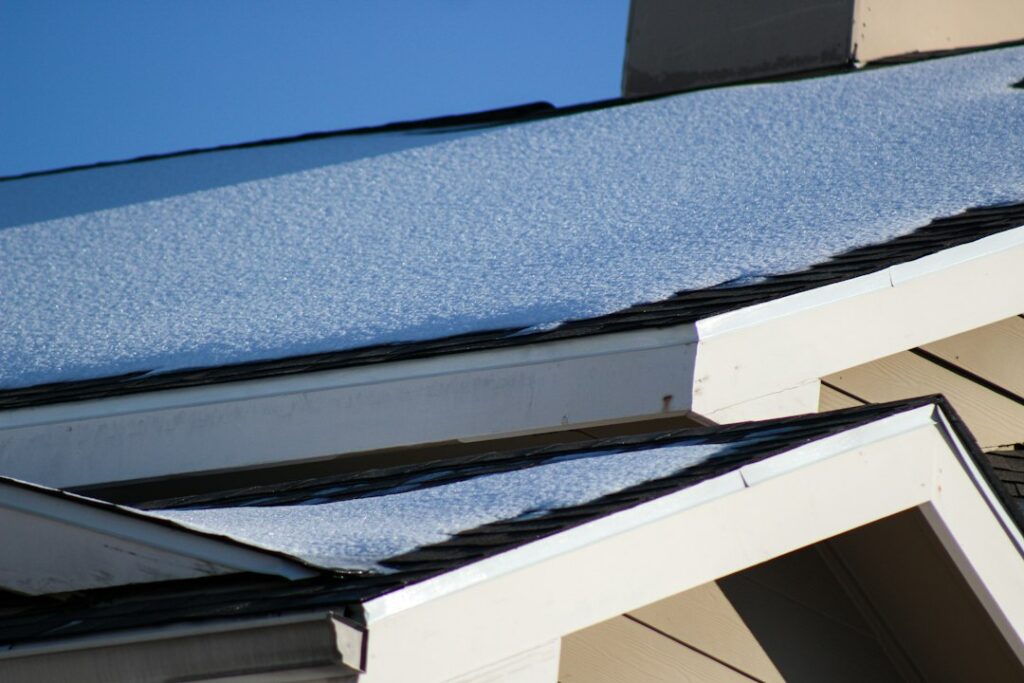
Shingle curling and cracking are visible signs that an asphalt roof may be losing its ability to shed water. Some isolated damage can be monitored or repaired, but widespread distortion usually indicates that the roof system needs closer evaluation.
In Nassau, seasonal temperature changes, strong wind, summer heat, winter moisture, and repeated freeze-thaw cycles can all contribute to shingle deterioration. The age and installation history of the roof also matter.
What do curled and cracked shingles look like?
Curled shingles often have edges or corners that lift away from the roof surface. The shingle may look wavy, folded, or “cupped.” Cracked shingles show visible splits, usually along the surface, edges, or between the tabs.
Common warning signs include:
- Shingle corners that turn upward
- Raised or buckled edges
- Long cracks running through the shingle
- Missing surface granules in gutters or at the base of downspouts
- Dark or bare-looking patches
- Exposed underlayment or roof decking
- Loose shingles after windy weather
- Water stains in the attic or on ceilings
Curling is not always an immediate sign of a leak, but it makes shingles more vulnerable to wind and water. Cracking can allow moisture to reach the layers underneath, especially when the roof is exposed to rain driven by wind.
Why do asphalt shingles curl?
Curling usually develops because shingles lose flexibility, separate from the roof surface, or react to heat and moisture conditions.
The most common causes are:
Age and normal weathering
Asphalt shingles gradually lose oils and flexibility as they age. Once the material becomes brittle, the edges may curl or the shingle may crack during temperature changes.
A roof may show isolated curling near the end of its service life, while widespread curling across several slopes suggests more general deterioration.
Poor attic ventilation
An attic that stays excessively hot or damp can shorten shingle life. Heat from the living space, blocked soffit vents, inadequate exhaust ventilation, and moisture buildup can all affect the roof assembly.
Ventilation does not make an old roof new again, but correcting airflow problems may help prevent premature deterioration in replacement materials.
Improper installation
Shingles need to be installed with the correct overlap, fastening pattern, alignment, and sealing. If they are nailed too high, under-fastened, over-fastened, or installed on an uneven surface, they may not lie flat or seal properly.
Shingles installed during very cold weather may also take longer to seal. If they are not properly bonded before strong wind occurs, their edges can lift.
Manufacturing defects
Occasionally, shingles fail earlier than expected because of a material defect. If many shingles from the same installation show similar problems at roughly the same time, the installation date, product information, and roof history should be documented.
Moisture beneath the shingles
Water can enter through damaged flashing, roof penetrations, valleys, or failed seals. If the roof decking becomes damp or uneven, shingles may distort above it.
Moisture can also come from inside the home when warm, humid air escapes into a cold attic. This is more likely when bathroom fans discharge into the attic, insulation blocks soffit vents, or air leaks exist around ceiling penetrations.
What causes shingle cracking?
Cracking is usually related to brittleness, movement, or stress within the shingle.
Typical causes include:
- Long-term ultraviolet exposure
- Repeated expansion and contraction
- Poor-quality or deteriorated materials
- Excessive heat beneath the roof covering
- Movement in the roof deck
- Improper fastening
- Foot traffic or impact
- Hail or falling branches
Small surface cracks may not immediately produce a leak. However, cracks that extend through the shingle, expose the underlying mat, or appear around fasteners deserve prompt attention.
A common misconception is that every crack means the entire roof must be replaced. The extent, location, roof age, condition of nearby shingles, and presence of water damage all influence the appropriate response.
Can curled or cracked shingles be repaired?
Minor, isolated damage can sometimes be repaired by replacing individual shingles or securing a limited number of lifted edges. Repairs are more practical when the surrounding shingles remain flexible, flat, and well sealed.
Replacement of individual shingles becomes less reliable when the roof covering is brittle. Older shingles can break during removal, and new replacement shingles may not match the color or weathering of the existing roof.
Widespread curling, cracking, bald spots, or exposed underlayment generally point to a broader roof-covering problem rather than a single damaged shingle. Replacing only the most visible pieces may delay the problem without addressing the underlying cause.
How can residents inspect the problem safely?
A ground-level inspection is often enough to identify whether damage is isolated or widespread. Binoculars can help show raised edges, missing granules, or cracked tabs without requiring roof access.

Look at:
- Roof slopes that receive the most sun
- Areas below overhanging branches
- Valleys and roof edges
- Shingles around vents, chimneys, and other penetrations
- Locations where gutters contain unusual amounts of granules
- Attic areas beneath visible exterior damage
Do not walk on a wet, icy, steep, or visibly fragile roof. Curling shingles can break under pressure, and concealed roof damage may create a fall hazard. A roof with loose materials, sagging areas, exposed decking, or active interior leaking should be treated as a safety concern.
What should happen after a storm?
After high wind, heavy rain, hail, or falling branches, check the ground around the home for shingle pieces and inspect ceilings and attic spaces for new dampness.
Temporary measures may reduce further water entry until a proper repair is possible:
- Place a container under an interior drip
- Move belongings away from wet areas
- Photograph visible damage from the ground
- Avoid climbing onto the roof during unsafe weather
- Do not cover active electrical fixtures with wet materials
Emergency coverings should be installed only when they can be placed safely. A loose tarp can create additional wind damage if it is not properly secured.
How can curling and cracking be prevented?
Prevention begins with keeping the roof system dry, supported, and properly ventilated.
Useful maintenance includes:
- Keeping gutters and downspouts clear
- Trimming branches that rub against the roof
- Checking attic ventilation openings for blockage
- Confirming that bathroom and kitchen exhaust fans vent outdoors
- Inspecting flashing around roof penetrations
- Watching for recurring attic moisture or ceiling stains
- Removing leaves and debris from valleys when safe to do so
- Recording the roof’s installation date and repair history
In Nassau, seasonal inspections are especially useful after winter weather and before the period of intense summer heat. A roof that looks acceptable from the ground may still have brittle shingles, loose flashing, or moisture-related damage beneath the surface.
The key distinction is whether the problem is isolated or widespread. A few damaged shingles may be repairable, while broad curling and cracking usually indicate that the roof covering, ventilation, installation, or moisture control should be evaluated as a complete system.
