
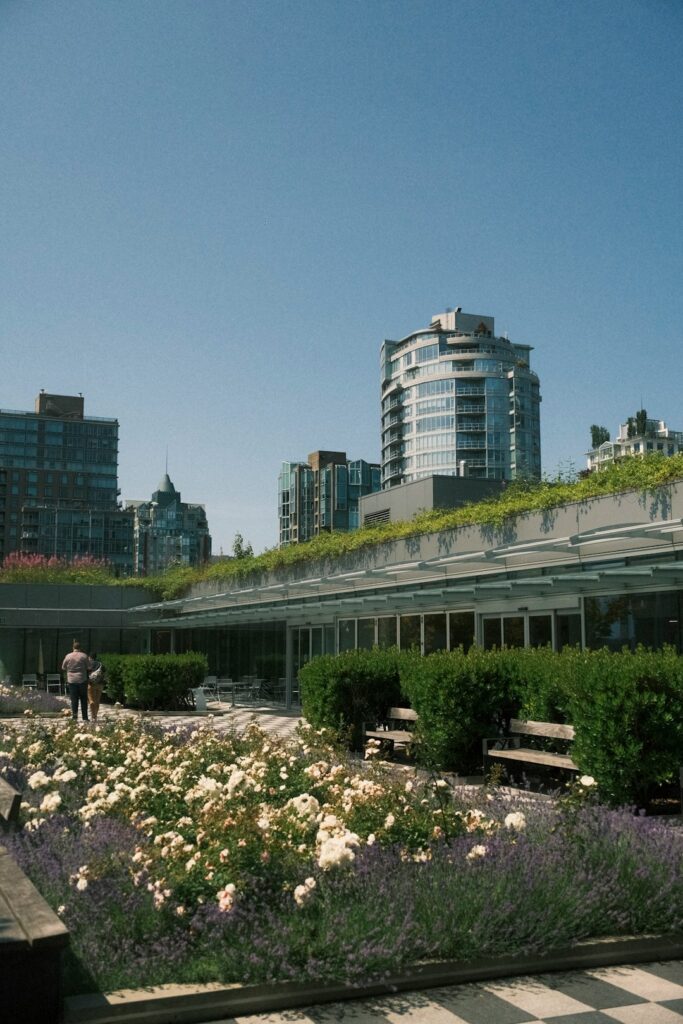
Green roofing can reduce summer heat, slow stormwater runoff, and support plant life, but it is not automatically the right choice for every home. In Nassau, NY, the decision depends on the roof’s structure, slope, drainage, maintenance needs, budget, and the property’s exposure to wind, rain, snow, and coastal weather.
A green roof is a roofing system designed to support vegetation above a waterproof membrane. It is different from simply placing potted plants on a roof. A properly designed system includes root protection, drainage, growing media, plants, edge restraints, and safe ways to inspect the roof.
What types of green roofs are available?
The two main categories are extensive and intensive green roofs.
Extensive green roofs are lighter and shallower. They typically use low-growing, drought-tolerant plants such as sedums, mosses, and other hardy ground covers. The growing medium may be only a few inches deep. These systems are generally intended for environmental benefits rather than regular outdoor living.
Intensive green roofs are deeper and heavier. They can support grasses, shrubs, flowers, and sometimes small trees or garden areas. Because they require more soil, irrigation, structural capacity, and maintenance, they are closer to elevated landscaping than a simple roof covering.
A third option is a semi-intensive system, which falls between the two. It may support a wider range of plants than an extensive roof without requiring the depth and weight of a full rooftop garden.
For many existing homes, an extensive system is more realistic than an intensive one. Even then, the roof framing must be evaluated before adding saturated growing media.
What are the main benefits?
The strongest benefits are stormwater control, summer heat reduction, and protection of the roofing membrane.
Vegetation and growing media absorb part of the rain that would otherwise flow directly into gutters and downspouts. Some water is held temporarily and later released through evaporation and plant use. During heavy storms, a green roof cannot eliminate runoff, but it may reduce the speed and volume of water leaving the roof.
This can be useful in developed neighborhoods where paved driveways, patios, and closely spaced homes leave limited space for water to soak into the ground. Proper overflow drainage is still essential because saturated soil cannot continue storing water indefinitely.
Green roofs can also keep the roof surface cooler during sunny weather. Plants shade the membrane, while moisture in the growing medium can provide additional cooling. The effect is most noticeable on buildings with large roof areas, upper-floor rooms directly beneath the roof, or limited attic insulation.
The waterproofing layer may also last longer because it is shielded from ultraviolet light and repeated temperature swings. That benefit depends on careful installation. A neglected green roof can create problems rather than prevent them.
Other possible benefits include:
- Habitat for pollinators and insects
- A more attractive view from upper windows
- Reduced glare from a bare roof surface
- Limited improvement in sound insulation
- A modest contribution to urban heat reduction
These benefits are real, but they should be viewed as part of a larger property and environmental plan rather than as a guaranteed financial return.
Are green roofs suitable for typical homes in Nassau?
Sometimes, but roof design matters more than the age or style of the house. A low-slope roof is generally easier to adapt than a steeply pitched roof. Flat and nearly flat roofs also need especially careful drainage because water can remain in low areas after storms.
Many older homes have roof structures that were designed only for the existing roofing materials, snow, maintenance workers, and occasional temporary loads. A green roof adds substantial weight, particularly after the growing medium becomes saturated. The weight of mature plants, retained snow, drainage components, and accumulated water must all be considered.
Wind is another local factor. A roof near open areas or exposed to strong coastal weather needs secure edges, protective layers, and plant selections that can tolerate drying and movement. Green roofs are not maintenance-free, and loose materials or poorly secured components can become hazards during severe weather.
A structural review is necessary when converting an existing roof. This is one of the situations in which qualified technical guidance is warranted because an inaccurate load assumption can affect the safety of the entire building.
How do winters, snow, and ice affect a green roof?
Green roofs are designed to tolerate seasonal weather, but winter performance depends on drainage and plant selection. A properly designed system should not depend on plants remaining active throughout the cold season. Many extensive roofs use hardy perennial plants that become dormant during winter.
Snow is not automatically harmful. In some cases, it provides insulation for the roof surface and plants. The concern is the combined load of snow, saturated soil, ice, and accumulated debris. Roof drainage must also remain functional during freeze-thaw cycles.
Ice dams can still occur where attic insulation, air sealing, or roof ventilation is inadequate. A green roof does not correct those building problems. Water may also move differently around roof edges, drains, skylights, vents, and raised equipment, so those areas require careful detailing.
What maintenance does a green roof require?
An extensive green roof usually needs less care than an intensive roof garden, but it still requires routine inspection. At minimum, maintenance may include:
- Removing weeds and unwanted woody growth
- Clearing drains, scuppers, gutters, and overflow paths
- Checking flashing, membrane edges, and penetrations
- Inspecting after major storms
- Replacing dead or damaged plants
- Watching for erosion or exposed membrane
- Keeping roots and growing media away from drainage openings
Irrigation may be necessary while plants become established and during prolonged hot, dry weather. Even drought-tolerant plants can fail if the roof is exposed to intense sun and has little water-retaining capacity.
Safe access also matters. A roof that cannot be inspected safely is difficult to maintain responsibly. Walk pads, service paths, railings, or other access features may be needed, especially on larger or more complex roofs.
How much does a green roof cost compared with a regular roof?

A green roof generally costs more than a conventional roof because it includes additional layers, structural considerations, drainage components, plant material, and labor. The financial return may come partly through longer membrane life, lower cooling demand, or reduced stormwater burden, but those savings vary widely.
A green roof is usually easier to justify when:
- The roof is already being replaced
- The building has a large, low-slope roof
- Structural capacity is available
- Stormwater management is a significant concern
- The owner values habitat or rooftop appearance
- The roof can be inspected and maintained easily
It is harder to justify when the roof is steep, shaded for much of the day, difficult to access, or nearing the end of its service life without a broader replacement plan.
Could a cool roof or other option be more practical?
Yes. A reflective or “cool” roof may provide some heat-reduction benefits with less weight and maintenance. Improved attic insulation and air sealing can also reduce heat transfer more reliably than adding plants to a roof.
Rain gardens, permeable paving, rain barrels, shade trees, and improved downspout drainage may manage stormwater at ground level. These options can sometimes provide greater benefit for a lower cost, particularly when a home has limited roof area or an unsuitable roof structure.
Solar panels may also be considered separately or in combination with a green roof, but the roof must be designed for access, drainage, fire safety, wind resistance, and maintenance. Adding multiple systems increases complexity.
How can a homeowner decide whether it is worth it?
The first question is not “How green is the roof?” but “Can the roof safely and reliably support the proposed system?”
A sensible evaluation should consider:
- Roof slope, age, condition, and remaining service life
- Structural capacity under saturated and winter conditions
- Drainage layout and emergency overflow
- Exposure to wind and full-day sun
- Access for inspection and repairs
- Plant durability and irrigation needs
- Local building, zoning, stormwater, and permit requirements
- Whether simpler improvements would achieve the same goal
For many residences, a small extensive green roof over an addition, garage, porch, or accessory structure may be more practical than converting the entire main roof. For larger low-slope buildings, the environmental benefits may be more meaningful.
Green roofing is worth considering when its design fits the building and the owner is prepared for ongoing care. It is not a universal replacement for sound roofing, insulation, drainage, or structural maintenance. In Nassau, the best choice is often the one that balances water management, summer comfort, winter durability, safe access, and realistic long-term upkeep.
